
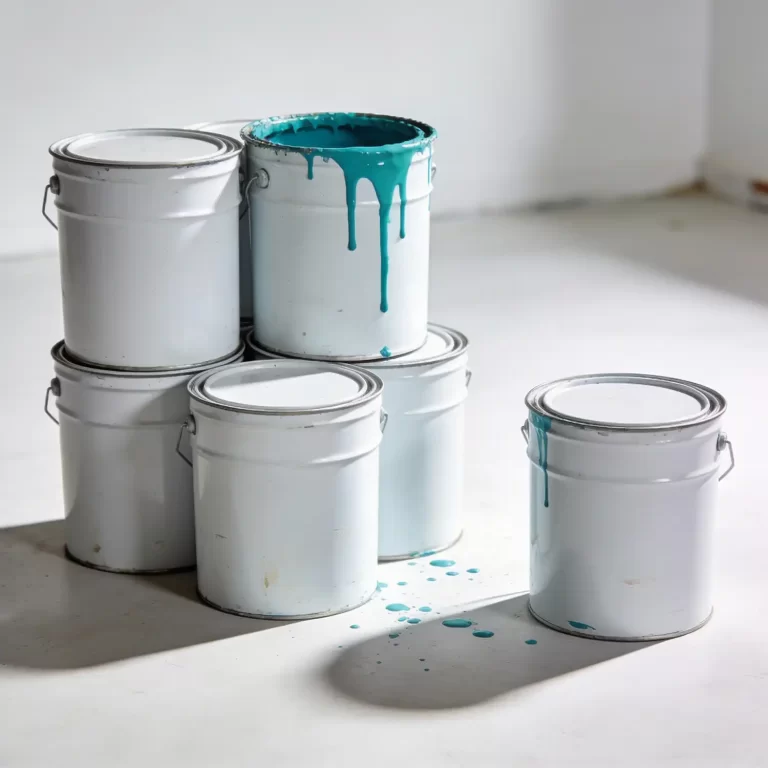
Are you injecting profit into the filter? The hidden cost of invisible material loss
Low transfer efficiency and excessive layer thicknesses
In wet painting processes, quality is often assessed visually. As long as the coverage is good and the surface looks even, the process seems under control. This is a dangerous assumption.
When “safe spraying” becomes structurally expensive
Low transfer efficiency rarely arises from one major error, but from a confluence of small anomalies: incorrect air pressures, suboptimal atomisation, varying viscosity, unstable paint supply or incorrect distance and speed of application. Each of these factors pushes a fraction of the paint away from the product and towards overspray. Those who want to take a deeper look at atomisation here can also this overview on low-pressure atomisation technology and the explanation of high-pressure atomisation (airless and air-assisted airless) view.
On top of this comes the reflex to spray “a little thicker”. Not because it is necessary, but out of caution. Extra microns act as insurance against see-through, colour difference or rejection. Technically understandable, economically pernicious.
Excessive film thicknesses not only increase paint consumption, but also affect drying times, curing, energy consumption and sometimes even final quality. Without measurable control of film thickness and transfer efficiency, the process appears stable, while structurally operating outside its optimal window. In practice, that measurable control is often linked to maintenance and repair of painting and application equipment and securing process settings.
Those who do not measure here are paying for uncertainty every day. Practical deepening can be done via TechTalk on paint technology and spraying techniques or via tailor-made paint application training courses. For questions: contact TLCA.
This text has been prepared based on content from TLCA Coating & Application.
FAQ
1) What causes low transfer efficiency in wet coating processes?
Low transfer efficiency often results from a confluence of small deviations such as air pressure, atomisation, viscosity, paint supply and application distance/speed.
2) Why are layer thicknesses often set too high?
Because “slightly thicker” is sprayed out of caution as insurance against see-through, colour difference or rejection.
3) What are consequences of excessive layer thicknesses?
They increase paint consumption and can affect drying times, curing, energy consumption and sometimes final quality.

Low transfer efficiency and excessive layer thicknesses often result from small process deviations and a caution reflex. Measuring helps to stay within the optimal process window and avoid uncertainty.